Self-healing cooling begins with signal quality, stable baselines, and evidence an operator can review.
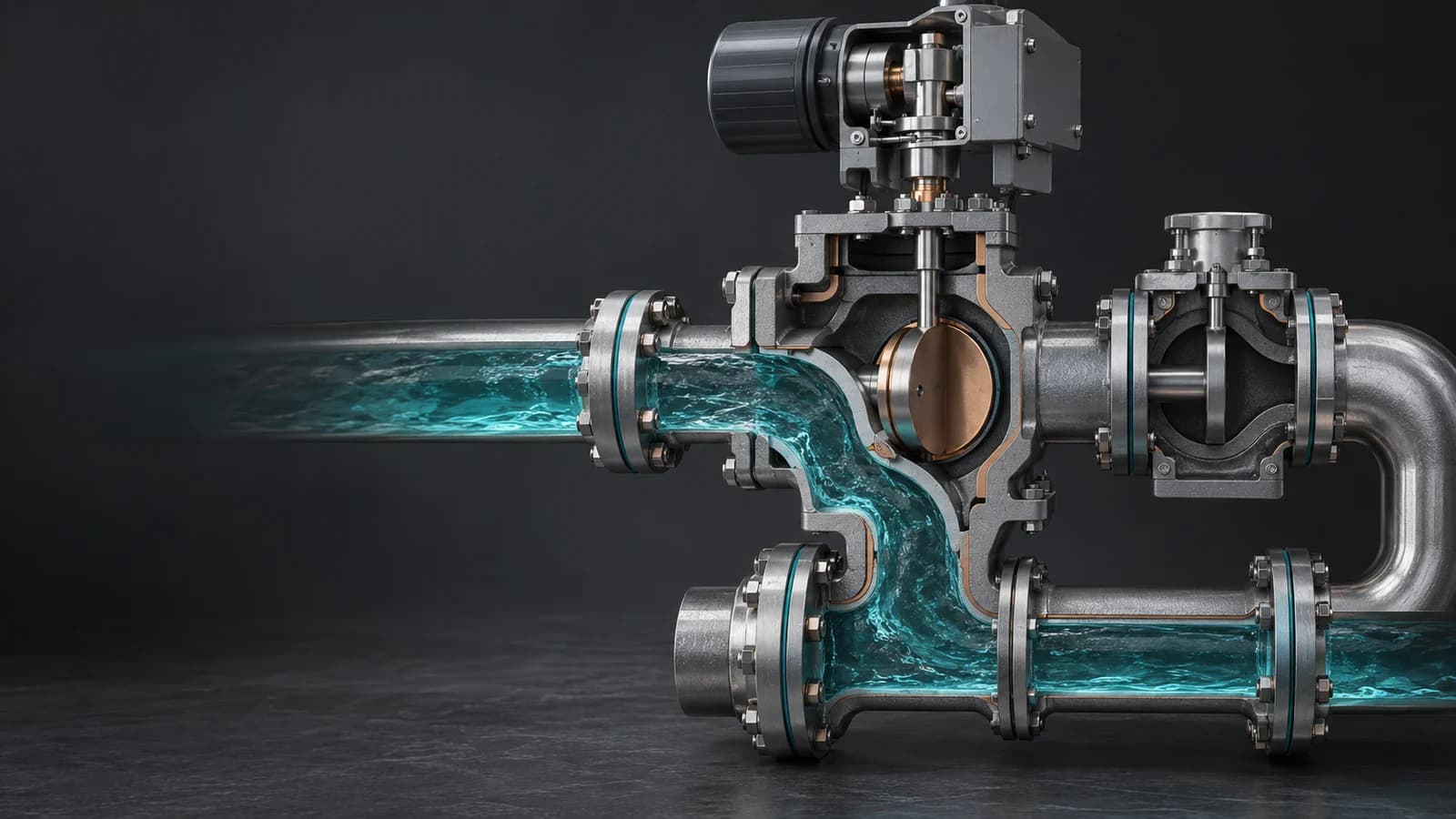
Self-Healing Loops
Self-healing loops
Self-Healing Liquid Cooling Loops for AI Data Centers
A cooling loop cannot correct what it cannot understand. Autonomy starts with trusted baselines, connected signals, and measured actions.
Self-healing starts with reliable loop evidence, not blind automation.
A loop can move from monitor to explain, recommend, respond, and verify only after each stage is proven.
The point is not automation for its own sake. The point is protecting useful GPU output before cooling drift becomes lost margin.
Explore the signal flow
Self-healing loopsControlled response
Sense drift
Thermal, pressure, flow, chemistry, and workload movement enter one baseline.
CoolantFlowThermal
Explain cause
Separate normal load movement from fluid risk, restriction, or control behavior.
LoadFluidRestriction
Respond carefully
Recommend inspection, sampling, rebalancing, cleaning, or output protection.
ReviewActionGuardrail
Verify recovery
Confirm the loop moved back toward healthy operation before trusting the next baseline.
RecoveryProofBaseline
SenseRespondVerify
How Reliability Engine works
From cooling measurements to maintenance decisions.
Monitor the loop
Track coolant health, temperature, pressure and flow.
Compare with GPU load
Read loop changes alongside rack and GPU signals.
Check likely causes
Look for coolant changes, restrictions or workload effects.
Choose the next check
Prioritize sampling, inspection or maintenance.
Steps toward controlled response
Monitor cooling conditions
Compare coolant health, temperature, pressure and flow with normal operation.
Identify likely causes
Check whether a change points to coolant, restricted flow, workload or controls.
Choose a response
Review recommendations for sampling, filtration, rebalancing or maintenance.
Check after service
Confirm that conditions improved before updating the baseline.
Path to trusted loop actionView table
| Stage | What the loop needs | Risk without it | Operator move |
|---|---|---|---|
| Monitor | Trusted thermal, pressure, flow, and chemistry signals. | Unknown drift and noisy alarms. | Instrument the loop around stable baselines. |
| Explain | Correlation across coolant, workload, hydraulic, and thermal behavior. | Wrong action against the wrong cause. | Classify whether the pattern is load, fluid, restriction, or control behavior. |
| Recommend | Clear action logic with operator review. | Slow response or overcorrection. | Suggest inspection, sampling, rebalancing, cleaning, or output protection. |
| Verify | Post-action evidence that the loop improved. | False confidence after intervention. | Confirm recovery before updating the baseline. |
Monitor
- What the loop needs
- Trusted thermal, pressure, flow, and chemistry signals.
- Risk without it
- Unknown drift and noisy alarms.
- Operator move
- Instrument the loop around stable baselines.
Explain
- What the loop needs
- Correlation across coolant, workload, hydraulic, and thermal behavior.
- Risk without it
- Wrong action against the wrong cause.
- Operator move
- Classify whether the pattern is load, fluid, restriction, or control behavior.
Recommend
- What the loop needs
- Clear action logic with operator review.
- Risk without it
- Slow response or overcorrection.
- Operator move
- Suggest inspection, sampling, rebalancing, cleaning, or output protection.
Verify
- What the loop needs
- Post-action evidence that the loop improved.
- Risk without it
- False confidence after intervention.
- Operator move
- Confirm recovery before updating the baseline.
From the library
Common questions
What is a self-healing liquid cooling loop?
A self-healing loop is a cooling system that can sense abnormal behavior, explain likely causes, recommend or trigger controlled responses, and verify that the loop moved back toward healthy operation.
Why do self-healing loops need trusted signals first?
Autonomy is risky without reliable measurements. The system needs trusted coolant, pressure, flow, particle, chemistry, thermal, and workload signals before it can safely recommend or automate action.
How does a loop become ready for controlled response?
It starts with monitoring, then adds explanation and operator-reviewed recommendations. Controlled response comes later, once the baseline, signal quality, and intervention logic have been proven.